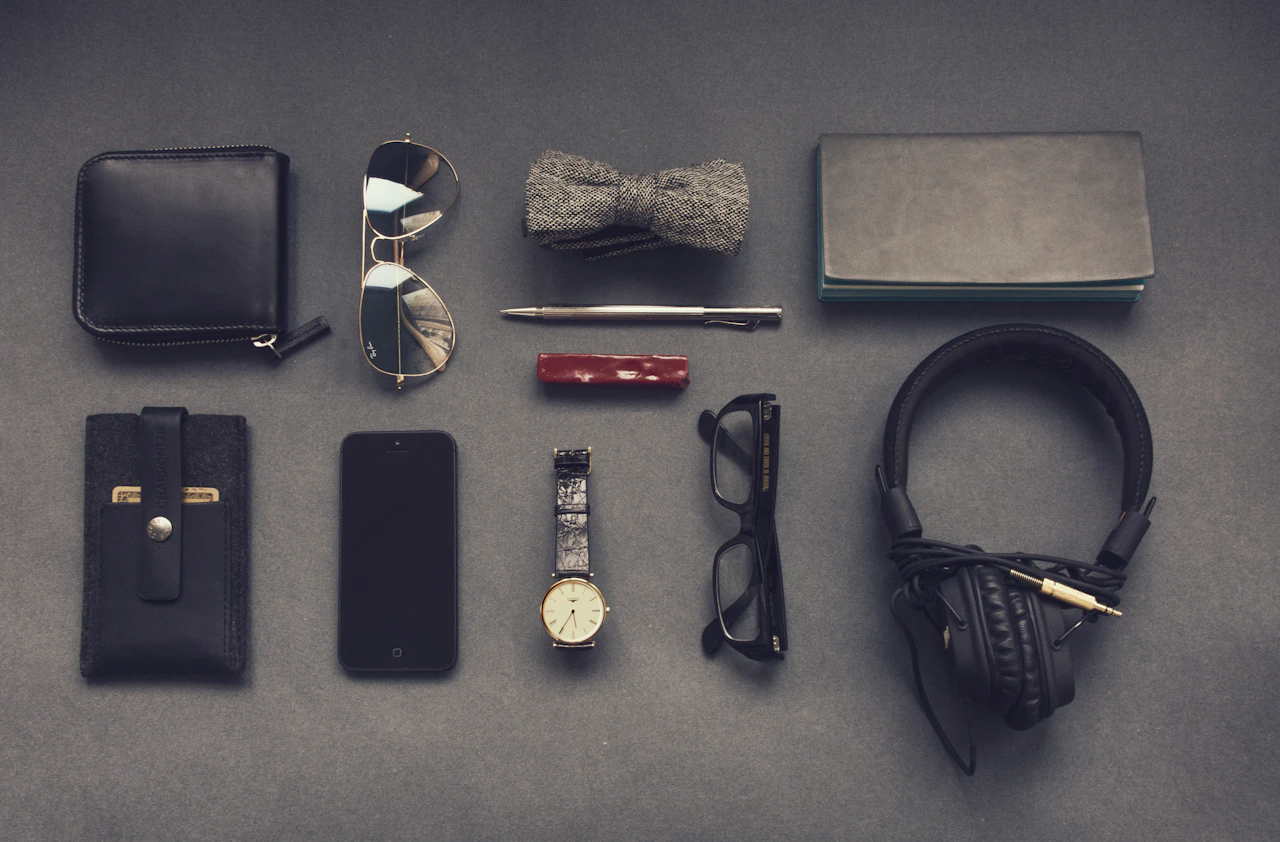
Phone accessories for a budget electronic drum kit: the complete practice-setup guide
If you play a budget electronic drum kit, the right phone accessories can make the entire practice experience feel more polished, quieter, and easier to manage. The goal is not to turn a compact kit into a studio—it is to remove friction: better viewing angles, cleaner audio routing, less cable clutter, and faster access to metronomes, play-along tracks, tabs, and recording apps. That matters especially with kits like the Alesis Nitro family, which are built for home practice and come with USB-MIDI connectivity and headphone output, but still leave you responsible for the accessories that make the setup comfortable. If you have ever had your phone slide off a desk, a cable yank loose mid-groove, or a headset sound thin because of a bad adapter, you already know the difference these small upgrades make.
This guide focuses on the best accessories for a compact practice rig: stands, clamps, headphones, cables, mounts, and storage add-ons that help a phone and drum kit work together smoothly. Along the way, we will also cover headphone compatibility, USB-C adapters, cable routing, and practical storage strategies so your practice zone stays ready to go. If you are still deciding whether a beginner kit suits your needs, you may also want to compare the broader buying context in our guide to tech deals on a budget and our advice on what to buy during spring sale season vs. what to skip. For shoppers who want the best value rather than the lowest sticker price, this is the mindset that keeps purchases useful long after the unboxing.
Pro tip: For practice setups, prioritize accessories that reduce setup time and cable movement before chasing premium branding. A stable phone mount and the right adapter often improve your experience more than a more expensive pair of headphones.
Why phone-and-drum-kit integration matters for home practice
Phones are now the center of practice, not a side tool
Modern drummers rely on phones for metronome apps, backing tracks, lesson videos, sheet music viewers, loopers, and sometimes simple recording. That means your phone needs to sit where you can see it without twisting your neck or reaching across pads. A small improvement in visibility can translate into better timing, fewer interruptions, and longer practice sessions because you are not constantly stopping to adjust the setup. In other words, the phone has become part of the instrument workflow, not just entertainment.
Budget kits are capable, but the accessory chain still matters
Many entry-level kits provide a headphone output, MIDI over USB, and auxiliary input for external audio, which is enough for quiet practice and basic recording. The Alesis Nitro Kit, for example, includes a 6.3 mm stereo headphone output, 3.5 mm stereo mix input, and USB-MIDI interface, making it a solid foundation for connected practice. But the kit does not include headphones, a throne, or a smart mounting solution, so you are immediately responsible for the ergonomics. That is why accessory selection should be treated like part of the purchase, not an afterthought.
Comfort and reliability beat “good enough” for repeated sessions
When practice happens three or four times a week, tiny annoyances compound quickly. A flaky dongle, a loose clamp, or a headphone cable that brushes your hi-hat controller can break concentration at exactly the wrong moment. The best accessories solve repeat problems instead of creating new ones. That is the same reason careful shoppers compare bundles and value, not just raw price, whether they are buying a drum kit or choosing between a compact phone deal and a larger flagship.
The best phone accessories for a compact drum practice setup
1) A stable phone mount or desk stand
The single most useful accessory is a mount that keeps your phone visible at eye level without taking up playing space. A weighted desk stand works well if your drum kit is very compact and your practice surface is a side table or shelf. If your phone needs to live closer to the snare or module, a clamp-style phone mount is often better because it can attach to the drum rack, a music stand, or a nearby table edge. The key is rigidity: if the stand vibrates when you hit a tom, it is not good enough for drumming.
For a tidy setup, look for a mount with a wide clamp range, rubber padding, and a strong adjustable ball head. A good phone mount should let you rotate between portrait mode for notation apps and landscape mode for video lessons without sagging under the phone’s weight. If you routinely use your phone for tutorials or recording, consider keeping it mounted above the module display so your eyes move in one small arc rather than between scattered surfaces. This is similar in spirit to building a clean, organized workflow in other gear-heavy spaces, like our guide on setting up a calibration-friendly space for electronics.
2) A USB-C adapter that actually matches your audio needs
Not all USB-C adapters are equal, and this is where many practice setups go wrong. If your phone no longer has a 3.5 mm jack, you need a reliable USB-C adapter that supports analog audio cleanly and does not introduce hiss, channel imbalance, or weak output. Cheap adapters can work, but the failure mode is common: they feel fine at low volume and then distort when you raise the gain for more isolation. For drummers, that is especially annoying because you need clear click sounds and balanced backing tracks over the kit noise.
If you are using wired headphones, choose an adapter from a reputable brand and verify that it supports your phone model properly. If your setup involves the drum module’s headphone out and a phone simultaneously, you may also need a compact audio solution such as a mixer or interface rather than a basic dongle. This is worth thinking through before buying, the same way serious shoppers consider hidden ecosystem costs in budget device planning. The right adapter should simplify your chain, not force you into workarounds.
3) Headphones that match both the kit and your phone
Headphone compatibility matters because practice drumming stresses headphones differently than casual music listening. You want enough isolation to hear click tracks and backing tracks over stick noise, cymbal wash, and pedal thumps, but you also want a comfortable fit that does not fatigue your ears during longer sessions. Closed-back over-ear headphones are usually the safest choice for electronic drums because they block more sound and create a more focused monitoring experience. In-ear headphones can work too, but they often depend on a secure seal and may feel less natural during energetic playing.
Check the impedance and volume headroom of your headphones against both your phone and drum module. A headphone that sounds great on a laptop may be too quiet from a phone through a weak USB-C adapter. Conversely, very sensitive earbuds can exaggerate hiss from budget modules or noisy adapters. If you are comparing options for different kinds of gear, our advice on value-first shopping applies here too: the best headphones are the ones that sound clean, fit comfortably, and stay practical with your specific chain.
4) A right-length audio cable for clean playback and less clutter
One of the simplest upgrades is the correct audio cable length. Too short, and your phone or audio source is forced into an awkward spot; too long, and the cable coils on the floor or gets snagged by a pedal. A 3.5 mm TRS audio cable is often the starting point for feeding backing tracks into a drum module’s mix input, while the module’s own output can feed headphones or speakers. If you are using your phone as the source, keep the cable short enough to reduce tangles but long enough to let the phone sit on a stand where you can still touch the screen.
Look for braided or well-shielded cables if your practice area has a lot of interference from power bricks, USB chargers, and nearby electronics. An audio cable is one of those accessories where “works at first” is not the same as “reliable for six months.” If you are curious about buying principles for electronics and accessories, it can be useful to think like a smart home shopper evaluating compatibility and failure points, as discussed in common integration troubleshooting. The same logic applies to drum practice: simpler signal paths usually mean fewer headaches.
5) Cable clips, sleeves, and routing hardware
Good cable management is not glamorous, but it is one of the best quality-of-life improvements in any practice setup. Cables that hang loosely are more likely to catch on the hi-hat stand, the throne, or your feet. Adhesive cable clips, small Velcro ties, and reusable sleeves help route audio and charging cables away from moving parts. If your practice area includes a desk, rack, or shelf, it is easy to create a small dedicated charging zone so the phone stays powered without turning the floor into a cable nest.
Think of cable management as part of the instrument layout rather than a separate cleanup task. In a compact room, every dangling lead becomes a potential distraction, especially when you move between practice, recording, and listening back to takes. For larger gear setups, professionals often obsess over routing and maintenance because those tiny details protect uptime; the same principle shows up in our guide to structured multi-device setups. The better your cable path, the faster you can sit down and play.
Accessory comparison: what each item solves in a practice rig
| Accessory | Best use case | Compatibility notes | Main benefit | Common mistake |
|---|---|---|---|---|
| Weighted desk stand | Phone beside module or music stand | Works with most phones and cases | Fast setup, easy viewing | Choosing one that slips under vibration |
| Clamp phone mount | Mounted to drum rack or desk edge | Check clamp thickness and phone width | Saves floor and table space | Over-tightening and damaging surfaces |
| USB-C audio adapter | Phones without headphone jacks | Must support your phone model and wired audio | Enables wired monitoring | Buying a low-quality dongle with hiss |
| Closed-back headphones | Quiet practice with click tracks | Check impedance and cable length | Better isolation and focus | Using open-back headphones in a noisy room |
| 3.5 mm audio cable | Phone to module aux input | Need correct TRS plug type and length | Stable playback from phone | Using a cable that is too long or flimsy |
| Cable clips and ties | Routing and strain relief | Adhesive or reusable styles | Less clutter and fewer snags | Ignoring cable paths near pedals |
| Storage tray or pouch | Keeping adapters and small parts together | Should fit dongles, picks, backups | Faster setup and teardown | Letting accessories disappear between sessions |
How to build a practice setup around a budget drum kit
Start with the signal chain: phone, cable, module, headphones
The easiest way to design a useful setup is to map the audio chain first. Decide whether the phone will feed tracks into the module, whether the module will output to headphones, or whether the phone will be used primarily for video, notation, and recording. That choice determines whether you need a USB-C adapter, a 3.5 mm cable, or a more advanced audio interface. If you are using a kit like the Alesis Nitro, which includes a mix input and headphone output, the common beginner path is phone to module via audio cable, then module to headphones.
That arrangement works well because it centralizes volume control and reduces the number of things hanging off your phone. It is also a good reminder that some accessories solve different problems. A phone mount improves visibility, a cable improves signal, and headphones improve isolation. If you are comparing upgrade paths, our coverage of smart bundle strategies is a helpful model for deciding what to buy first and what can wait.
Then solve ergonomics: reach, height, and visibility
Place the phone where it is visible without creating a body twist. The ideal spot is usually slightly above or to the side of the module so you can glance at it between patterns. If you use a desk stand, make sure the base does not interfere with the pedal. If you use a clamp, test whether the arm vibrates when you hit the kick or ride cymbal. The more your setup fits your body mechanics, the more you can focus on the practice objective instead of the equipment.
Ergonomics also apply to the headphone cable. A long headphone lead can snag on a stool or snare stand, while an overly short one makes you feel tethered. Many players end up preferring a coiled cable or a routed cable path clipped behind the rack. This is the same basic principle used in high-efficiency physical spaces, where access paths and tool placement matter as much as the tools themselves, similar to the planning in move-in essentials.
Keep spare accessories in one storage add-on
A small storage tray, zip pouch, or drawer organizer can dramatically improve your practice routine. It keeps backup cables, dongles, adapters, and even spare ear tips in one place so you are not hunting through the room to start a session. This matters more than most people expect because friction before practice is one of the biggest reasons good intentions turn into skipped sessions. If everything is packed together, setup becomes a two-minute process instead of a scavenger hunt.
Storage add-ons are especially useful if your practice space doubles as a bedroom, office, or living room. When the kit is compact, the accessories can quickly become the mess. Keep the small parts together and label them if you have both lighting, charging, and audio cables in the same zone. The same organizing logic appears in other smart-device workflows too, like building a cleaner home tech environment in structured knowledge systems.
Compatibility checks before you buy anything
Phone port and adapter support
Before buying any phone accessory, check whether your device has a USB-C port, Lightning port, or a built-in headphone jack. That determines whether you need a simple audio cable, a branded USB-C adapter, or a Lightning-compatible solution. Some phones support audio adapters more reliably than others, and some budget dongles only work with certain operating systems or output levels. Compatibility is not optional here: a great-sounding accessory is worthless if your phone treats it like a charging-only device.
This is also where you should think about simultaneous charging. If you use your phone for long practice sessions, a charging stand or adapter with pass-through power may be helpful. Just be careful with ultra-cheap splitters, which can introduce noise or unstable connections. In practical terms, the best budget approach is usually a clean wired audio path plus a separate charging solution, rather than a multiport gadget that does everything poorly.
Headphone impedance, sensitivity, and comfort
Headphone compatibility is about more than plug shape. Closed-back headphones with moderate impedance often strike the right balance for phone use and drum practice because they are easy to drive and isolate room sound well. If the headphones are too power-hungry, your phone or adapter may not push them loudly enough, and you will be tempted to crank everything up, increasing fatigue. If they are too sensitive, small hiss from a budget module or dongle can become noticeable.
Comfort matters just as much. Drumming is active, so headband clamp force, ear pad heat, and cable routing all affect whether you keep the headphones on. For many players, the best solution is a durable closed-back monitor headphone rather than consumer Bluetooth cans. Wired monitoring avoids latency, avoids battery anxiety, and stays consistent every time you sit down.
Mounting hardware and rack thickness
If you buy a clamp mount, verify the rack tube diameter or desk thickness before ordering. Drum racks and stands vary, and a clamp that is perfect for a desk may be too shallow for a tubular rack or too bulky near a cymbal arm. Also consider the phone’s case thickness, because some spring-loaded mounts do not open wide enough for rugged cases. A cheap mount that fits poorly can be more frustrating than no mount at all.
When in doubt, choose adjustable hardware with more range than you think you need. That gives you room to reposition later if you rearrange the kit or move the phone from tutorial duty to recording duty. Good mounts are modular by nature, which is exactly what you want in a compact practice space.
Recommended practice setups by budget level
Ultra-budget setup: minimum viable comfort
If your priority is spending as little as possible while improving usability, start with a sturdy phone desk stand, one reliable 3.5 mm cable, and a decent pair of wired closed-back headphones. This configuration keeps the phone visible, gets sound into your ears without delay, and avoids the trap of buying too many niche accessories too soon. It is the best route for beginners who mainly need metronome apps, lesson videos, and occasional play-alongs.
In this setup, the biggest danger is cable sprawl. Keep the phone stand next to the kit, route one audio line, and avoid extra splitters unless absolutely necessary. It is a practical version of value shopping: a few well-chosen items beat a pile of cheap ones that do the same job badly.
Balanced setup: best value for most players
For most users, the sweet spot is a clamp mount, quality USB-C adapter if needed, closed-back headphones, and cable clips. This gives you a cleaner layout and a phone that is always positioned where you need it. Add a small storage tray for dongles and backup cables so your practice zone stays tidy. This level feels noticeably more intentional without becoming overbuilt.
This is also the setup where the accessory ecosystem starts paying off. If you later add recording, a second phone, or a practice speaker, you already have the organizational backbone to support it. That is the kind of purchase strategy we recommend across value-focused categories, from compact phones to home gear.
More advanced setup: phone as a practice hub
If you are recording sessions, running click tracks, and switching between apps, you may want a more advanced hub with a stronger mount, better cable routing, and perhaps a small audio interface or mixer. This is especially useful if the phone feeds tracks while the module outputs separate headphone monitoring. At that point, reliability matters more than the lowest price, because every failed connection interrupts a focused rehearsal.
For players who practice seriously, the advanced setup often ends up feeling simpler, not more complex, because each accessory has a clear job. That mindset echoes how serious shoppers think about tech ecosystems and futureproofing, rather than treating each item as an isolated purchase. The result is a cleaner workflow and less time fixing the rig.
What to avoid when shopping for drum practice accessories
Overly cheap adapters and no-name splitters
The biggest mistake is buying the cheapest adapter you can find and assuming it will behave like a known-brand accessory. Audio adapters can produce static, weak output, or random disconnects that are especially annoying during practice. Since the whole point is to keep your playing uninterrupted, a slightly better dongle is usually money well spent. There is a difference between budget and disposable.
Phone mounts that block buttons or overhang the kit
Some mounts look clever in product photos but fail in real practice because they block volume buttons, cover the charging port, or sit in the exact zone where your stick hand naturally moves. A mount should feel invisible when you play. If you need to dodge it every time you lift a stick, it is in the wrong place. Always test clearance before committing to a permanent mounting position.
Headphones chosen for style instead of monitoring
Fashionable headphones are not necessarily ideal for drum practice. Many consumer models emphasize bass and atmosphere rather than isolation and clarity. That can make clicks harder to hear and can blur the transients you need for timing work. Monitoring headphones do not need to be flashy; they need to be dependable, comfortable, and easy to drive from your phone or module.
Real-world practice workflow: a simple example
Imagine a beginner drummer with a compact electronic kit in a bedroom corner. The player uses a phone for metronome apps, YouTube lessons, and occasional recordings. The ideal setup would be a clamp phone mount attached to the drum rack, a quality USB-C adapter if the phone lacks a headphone jack, a short 3.5 mm cable into the module’s mix input, and closed-back headphones plugged into the module. Cable clips keep the headphone lead and charging cable off the pedals, while a small pouch stores the adapter and backup cable. This is the kind of setup that takes a few minutes to assemble but saves time every single practice session.
Now compare that to the common “temporary” setup: a phone balanced on a stool, a cable draped across the floor, and headphones connected through an unreliable dongle. The second version creates more interruptions, more wear on ports, and more chances to skip practice because it feels annoying before you even start. That is why accessory quality matters so much for budget kits: the drum module may be inexpensive, but your workflow should still feel professional.
FAQ: phone accessories and budget electronic drum kits
What is the most important accessory for using a phone with an electronic drum kit?
For most players, the most important accessory is a stable phone mount or desk stand. It keeps lesson videos, metronomes, and tabs visible without forcing you to prop the phone on unstable objects. After that, the next priorities are a reliable audio connection and good headphones.
Do I need a USB-C adapter for my drum practice setup?
If your phone does not have a headphone jack, yes, you will likely need a USB-C adapter for wired audio. Make sure it supports audio properly with your phone model. Cheap adapters often cause hiss, low output, or compatibility issues that make practice frustrating.
Can I use Bluetooth headphones with a budget drum kit?
You can, but wired headphones are usually better for practice. Bluetooth can introduce latency, which is distracting when you are trying to keep tight time with a click track. Wired headphones are also more reliable and do not need charging mid-session.
What type of headphone is best for drum practice?
Closed-back over-ear headphones are usually the best fit because they isolate room noise and keep click tracks clear. Some in-ear monitors can also work if they fit well and give enough isolation. The key is comfort, isolation, and enough volume headroom from your phone or module.
How do I keep cables from getting in the way of pedals and stands?
Use cable clips, Velcro ties, and short cable runs wherever possible. Route lines behind the rack or up along the stand instead of across open floor space. A small storage pouch for adapters and spare cables helps keep the setup consistent.
Is it better to plug my phone into the drum module or the headphones directly?
In most practice setups, it is better to feed the phone into the drum module and use the module’s headphone output. That lets the module manage the combined audio and keeps your monitoring centralized. It also reduces the number of separate volume points you need to manage.
Final take: buy for the workflow, not just the spec sheet
Budget electronic drum kits can be excellent practice tools, but the right accessories decide whether the setup feels convenient or constantly annoying. A smart mix of phone accessories, headphone compatibility, USB-C adapters, mounts, and cable management can turn a small kit into a genuinely enjoyable practice hub. If you buy with the workflow in mind, you get a setup that is faster to start, easier to keep tidy, and more pleasant to use every day. That is the real value: not just cheaper gear, but a better practice routine.
If you want to keep building out your setup, continue with related guides on turning your phone into a companion device, finding useful gadget deals, and budget gear value comparisons. Those buying habits transfer well across categories because the best accessories are the ones that make your daily routine easier, not just your cart look smarter.
Related Reading
- Turn Your Phone into a BOOX Companion: Apps and Accessories for Serious Readers - A practical look at making one phone support a focused content workflow.
- How to Set Up a Calibration-Friendly Space for Smart Appliances and Electronics - Great for building a tidy, reliable gear corner.
- Smart Home Revolution: Troubleshooting Common Integration Issues - Useful mindset for solving compatibility problems fast.
- Tech Deals on a Budget: How to Pick the Best Value Without Chasing the Lowest Price - A value-shopping framework you can reuse for accessories.
- How to Stretch That MacBook Air M5 Deal Further: Trade-Ins, Cashbacks and Smart Bundles - Smart bundle strategy ideas that apply to gear upgrades.

